I learned about violence before I learned about love. I understood danger before I understood safety. Long before my brain could fully develop, my consciousness told me I had to get creative just to survive. While I had essentials like food and shelter, I truly struggled to find the love for myself.
Those early experiences of child abuse shaped a worldview in which I felt everything I did was wrong and that everyone was waiting for me to make a mistake. I wanted to hide, but I couldn’t—I always stood out. Being biracial in homogenous Japan meant there was nowhere to disappear.
Yet even in that darkness, I had a guiding light: my dad. Navigating life as a Black man outside of Africa wasn’t easy for him either. But he always put me first, prioritizing my well-being over his own because he knew how dangerous that path could be for a young child.
I became intensely introverted, constantly protecting myself from pain. I found solace in art. In music, I had taken piano lessons since age two, I appreciated the stories told through beautiful melodies and compelling beats. Although I was monolingual at the time, I listened to a lot of English-speaking songs. There was something about R&B, Hip Hop, reggae, and even neo-soul that I felt I understood, as if I could grasp the emotions the artists were expressing. In manga, I loved seeing the world from other perspectives, which eventually led me to create my own. I began writing stories and took full ownership of my narratives. They often featured a popular girl whom everyone looked up to, the version of myself I couldn’t imagine becoming. I was a quiet kid, living almost entirely inside my own head.
My dad encouraged me to play basketball, his favorite sport. But I was the youngest and smallest on my team, and looking Black only added pressure to perform well. That pressure was detrimental to my mental well-being.
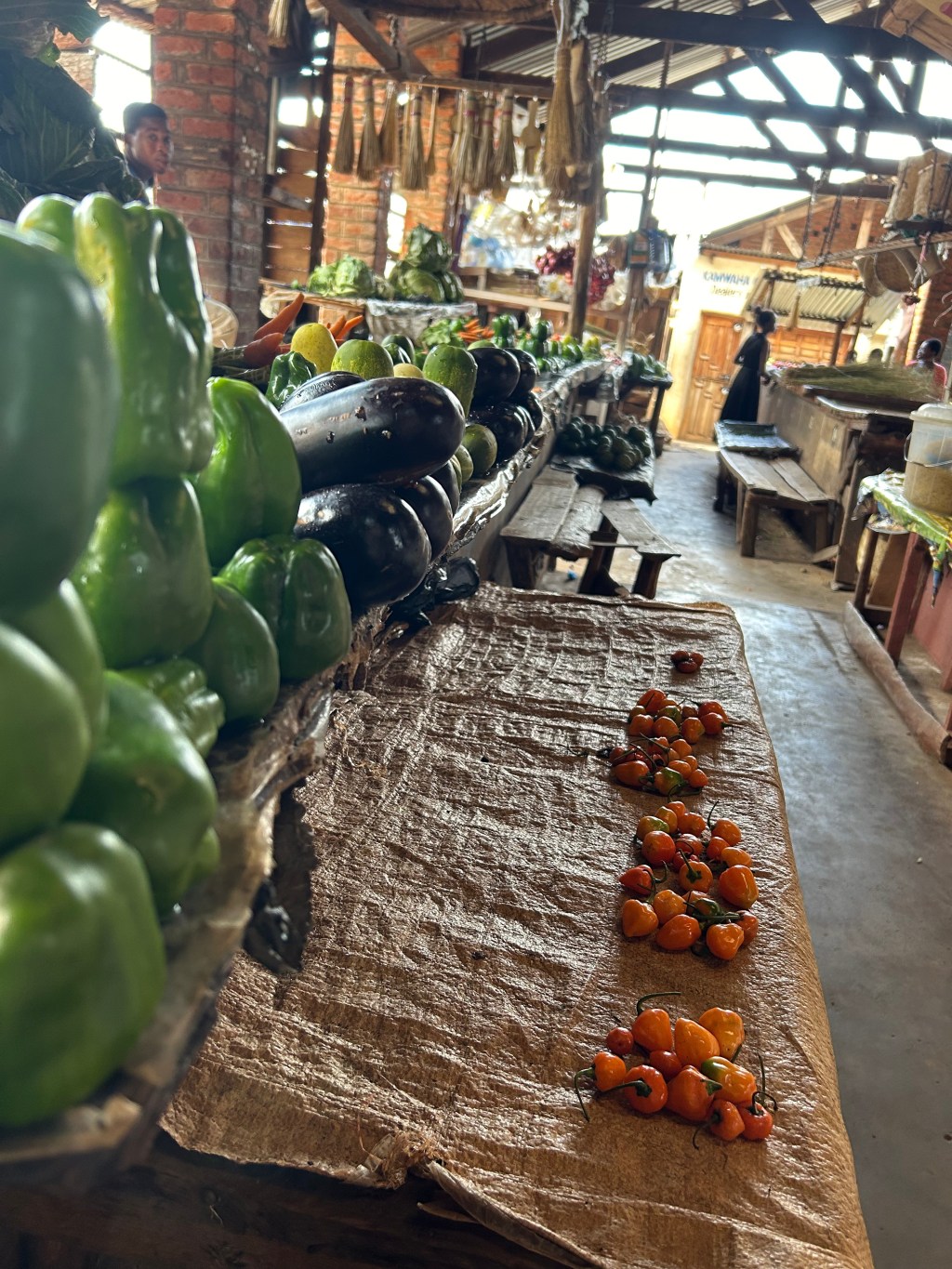
Then, everything changed when I went to Malawi.
At first, I was suspicious. Why was everyone so curious about me? Some people thought I was Chinese, even though I was walking right next to my Malawian grandparents. But this curiosity felt different from what I’d experienced in Japan. It wasn’t judgmental; it felt like people were sizing me up, trying to see who I was beneath the surface. This worked in my favor because being introverted from such a young age had made me exceptionally good at observing people. I was determined not to mess this up.
During my time in Malawi, my immediate family there guided me. Even with the language barrier, they made sure I had full access to their love and did everything they could to make me feel comfortable. For the first time in my life, I was in a truly peaceful environment.
Soon, my peers accepted me as one of their own. Even with my broken Chichewa, everyone assured me, “You are Malawian.” Their words weren’t just polite reassurances—they were invitations into a collective identity I hadn’t known I was missing. The people around me were so kind, and I understood why the country had been given its beautiful nickname.
The Warm Heart of Africa literally saved my soul.
In Malawi, I discovered what it meant to be seen without being judged, to be curious without being cruel, and to belong without having to earn it. The culture embraced me in a way that allowed my guarded heart to finally open.
This is why my Pan-African work isn’t academic or theoretical—it’s deeply personal. When I speak about cultural reconnection, I’m remembering the healing I found in my homeland. When I discuss Black consciousness, I’m recalling how Malawi helped me see my own worth. When I talk about collective power, I’m thinking of the community that showed me what true belonging feels like.
I made a promise to myself in Malawi: I would dedicate my life to honoring the culture and profound love that country taught me. It showed me that our liberation lies in returning to ourselves, to each other, and to the cultures that remind us who we truly are.


Leave a Comment