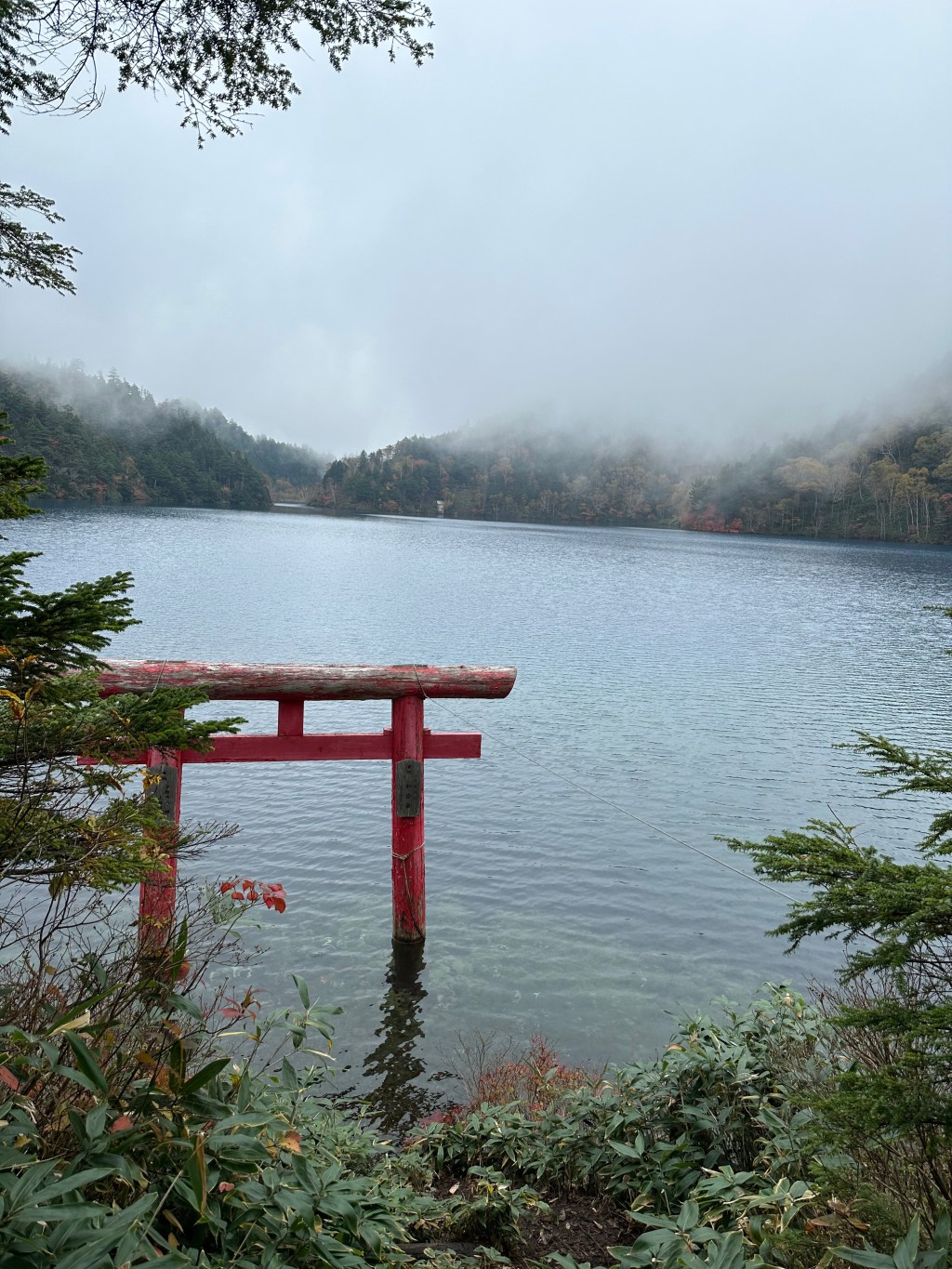
I am not sure if I should call myself lucky for growing up in Japan, but I still consider it home. Writing that down now sounds strange, but what I am trying to understand is the charm of this country that most outsiders see so clearly. It is peaceful. People are kind. The food is healthy. I do not doubt for a second that these statements are true.
Over the years, I have had the privilege of visiting many countries. Whenever I travel for more than a few days—say, longer than three nights—a minor homesickness sets in. I end up missing miso soup, soba noodles, and sushi. Not just any sushi, though, but the real deal I could get cheaply back home. I can finally catch my breath on the regular train back from the airport. The overstimulation I experience overseas slowly fades. Ready to fall asleep…
Living here has taught me how to focus on myself and not bother anyone else. Introversion thrives in a community where overt individualism is uncommon and people seldom seem to care what you are doing. I cannot speak for everyone, since I naturally stand out as biracial, but I can walk in the same area every single day and still not recognize other regulars. Even if you unapologetically stand out through fashion, people will likely leave you alone. This peace, however, comes at a cost—a mutual, unspoken agreement not to look too closely, not to ask too many questions. It is the first rule of staying asleep.
So I want to attempt to describe how Japan became the way it is today—especially after a dark past. Following its unconditional surrender, the nation had to rebuild, learning to please its new ally by adopting its playbook: white supremacy, patriarchy, and capitalism. This was not just political; it became cultural. I grew up watching Disney movies, admiring the princesses; almost everything I owned had Hello Kitty on it. Even cartoons like Crayon Shinchan reinforced a narrow ideal of women’s beauty. On television, brief national news segments aired at specific times. Morning shows covered hot topics like celebrity gossip. In the afternoon, countless programs featured food reports on trending restaurants. Evenings brought my then-favorite “variety shows,” where comedians told jokes, performed wild stunts for shock value, or competed in karaoke battles. News flashed in between. And let’s not forget the romantic comedy dramas late in the evening. This curated reality, as fixed as the “Adult Section” I’d notice at the movie rental place, left little room for new knowledge, creating the comforting illusion that you were already occupied and informed.
I abandoned TV after the internet advanced, and I believe this is when people’s interests diversified—but not their perspectives. Some continued supporting idols, athletes, or even anime characters. Others went out more to socialize, take photos, and become their own entertainment. I, on the other hand, learned one truth: without knowing English, most people here cannot access the full context of the information they acquire. A huge international story might become just a 90-second news clip, focusing only on how it affects Japan. The deeper, global reasons behind it stay locked away. Westerners talk about information overload, but here, I do not think we have reached that point. (I keep saying “we,” caught between the identity I live and the perspective I now hold.) And this, my friend, is the perfect foundation for creating the admired, stable capitalist society Japan is today.
There is an undeniable appeal to this arrangement. For a nation deeply scarred by the trauma of war and atomic devastation, this “sleep” can feel less like ignorance and more like a collective exhale—a conscious trade of certain freedoms for safety, order, and a profound sense of social predictability. The system promises that if you follow the script—work hard, mind your business, find joy in small consumptions and seasonal festivities—you will be left in peace. And for many, that peace is not nothing; it is a precious commodity. The problem is the price tag, which is often only visible in a foreign currency.
Just knowing how to speak English in such a country forces you to realize how difficult it is for a monolingual Japanese person to comprehend world affairs, global power structures, and why the world is shaped the way it is. Otherwise, all you are told is that humanity is evolving, life is getting more convenient with technology, and the good old days aren’t completely gone because a temple from the Edo period still stands. We speak of our ancestors as proud ninjas or samurai—we’ve come a long way. The narrative is one of smooth, forward progress, uninterrupted by uncomfortable global truths or painful self-reflection.
Now, this isn’t to say there are no critical voices. They exist—activists, independent journalists, academics—but they operate in pockets, often speaking to those already listening. In the mainstream narrative, their truth gets softened, repackaged into palatable, personal stories. So when experts talk about a ‘Lost Generation’—people shaped by a broken economy—the public story just calls them corporate failures. And if you see news about suicide, it’s often because of a bad boss or overwork. It’s never because the whole system makes people feel empty and purposeless. That deeper reason stays hidden. This normalization of staying out of people’s business, focusing only on personal interests, fixating on celebrities instead of world leaders, is dangerous. It means people are disconnected from their true purpose. Capitalism, unfortunately, is designed to keep people disconnected from themselves, all while they keep making money for the system’s benefit.
This is a country where people have mastered the art of staying asleep. I have never heard anyone talk about staying “woke” over here. I often feel I am one of the few lying awake in the dark. And if you ever come here and enjoy yourself because everything seems so harmonious—well, enjoy your vacation. The comfort is real. The peace is genuine. But just remember what it’s built on, and make sure you, and perhaps one day we, can wake ourselves up.


Leave a Comment